Table of Contents
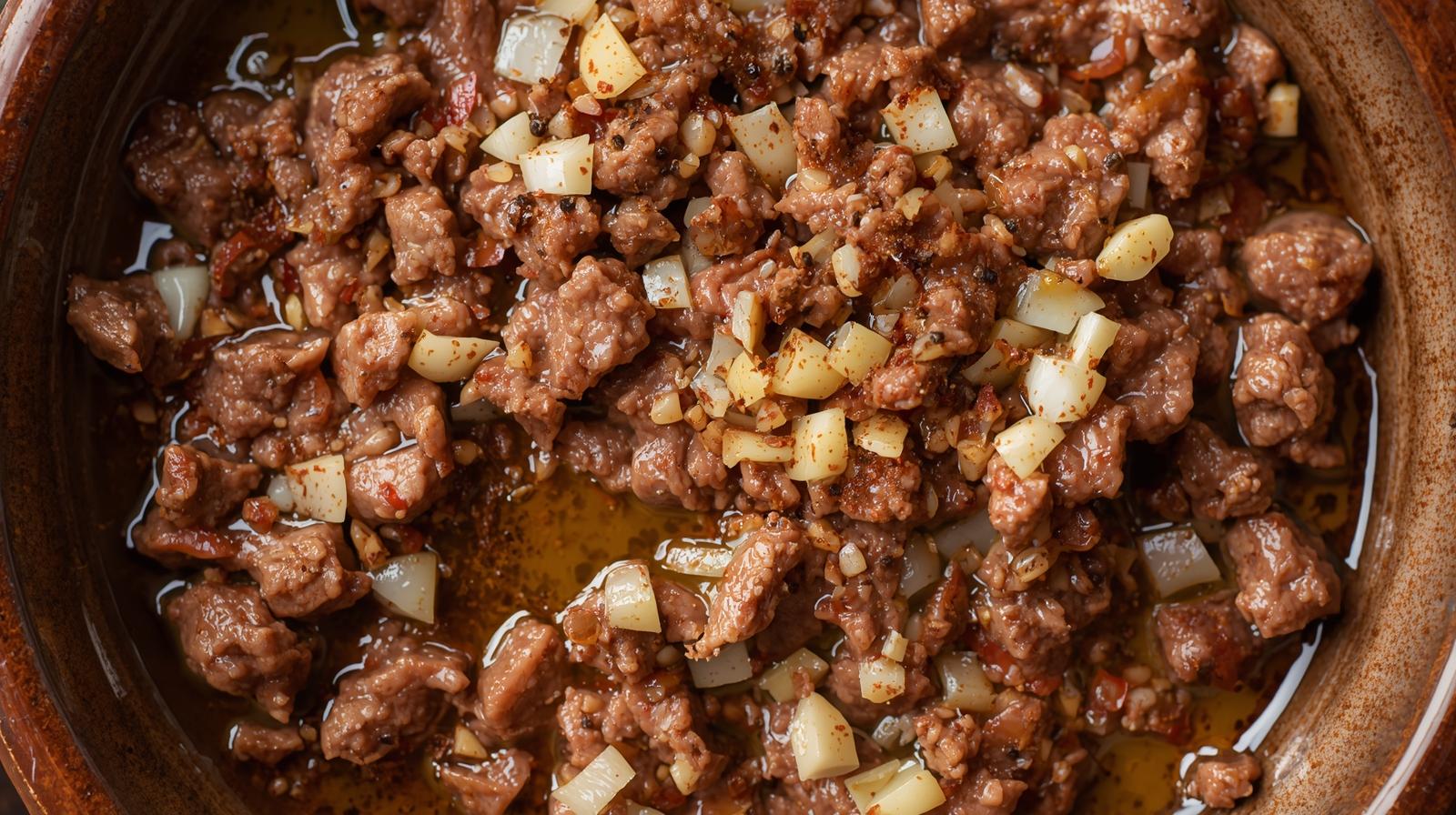
Ground beef is one of the most versatile and popular proteins in the kitchen. Affordable, flavorful, and quick to cook, it’s perfect for busy weeknights or family meals. From classic burgers and meatloaf to tacos, chili, and pasta dishes, ground beef can be the star of endless recipes.
What Is Ground Beef
Ground beef is beef that has been finely chopped or ground. It is available in different fat ratios, such as 80/20 (80% lean, 20% fat), 85/15, and 90/10. The fat content affects flavor, juiciness, and how the beef cooks. Ground beef is widely used in burgers, tacos, meatballs, casseroles, and pasta sauces because it cooks quickly and absorbs seasonings easily.
Ingredients
- 1 lb (450 g) ground beef
- 1 small onion, finely chopped
- 2–3 cloves garlic, minced
- 1 teaspoon salt
- ½ teaspoon black pepper
- 1 teaspoon paprika (optional)
- 1 tablespoon olive oil or cooking oil
Optional additions depending on the recipe:
- Tomato sauce or paste
- Bell peppers, carrots, or other vegetables
- Worcestershire sauce
- Herbs like oregano, thyme, or parsley
Step-By-Step Instructions
- Heat the Pan: Preheat a large skillet over medium heat and add the olive oil.
- Sauté Aromatics: Add onions and garlic to the pan, cooking until soft and fragrant, about 2–3 minutes.
- Add Ground Beef: Add the ground beef to the skillet. Break it apart with a spatula or wooden spoon.
- Season the Beef: Sprinkle in salt, pepper, and optional spices. Stir to combine evenly.
- Cook Thoroughly: Cook until the beef is browned and no pink remains, about 8–10 minutes.
- Add Optional Ingredients: For sauces or stews, add tomato sauce, vegetables, or herbs and simmer for 5–10 minutes.
- Serve: Use the cooked ground beef in your favorite dishes: tacos, pasta, rice bowls, casseroles, or burgers.
Tips
- Choose the fat ratio depending on your recipe. 80/20 for juicy burgers, 90/10 for healthier dishes.
- Drain excess fat after cooking to reduce calories and fat content.
- Avoid overcrowding the pan to allow proper browning.
- Add seasoning gradually and taste as you go.
- For added flavor, try adding a splash of Worcestershire sauce or soy sauce.
What To Serve With
- Rice or Quinoa – Great for bowls or stir-fries.
- Tacos or Tortillas – Perfect for Mexican-inspired meals.
- Pasta or Spaghetti – Combine with tomato sauce for a classic pasta dish.
- Salads or Grain Bowls – Add cooked ground beef to salads for protein.
- Vegetables – Roasted, steamed, or sautéed veggies add nutrition and color.
- Mashed Potatoes – Classic comfort food pairing for meatloaf or beef skillet dishes.
Substitute Ingredients
- Ground Turkey or Chicken – Lower-fat alternative for leaner dishes.
- Plant-Based Ground Beef – For vegetarian or vegan versions.
- Extra Vegetables – Add shredded carrots, zucchini, or mushrooms to bulk up the dish and add fiber.
- Spices – Adjust paprika, chili powder, or cumin to suit your flavor preference.
Health Benefits Of Ground Beef
- High in Protein: An excellent source of protein, which is essential for building and repairing muscle tissues. Protein also helps maintain healthy skin, hair, and nails, and keeps you feeling full and satisfied, reducing the likelihood of overeating between meals. Including ground beef in your diet can support an active lifestyle and aid recovery after exercise.
- Rich in Iron: Iron in ground beef is primarily heme iron, which is highly absorbable by the body. Iron plays a critical role in producing red blood cells and transporting oxygen throughout the body. Adequate iron intake helps prevent anemia, reduces fatigue, and supports overall energy levels, making it a valuable addition to a balanced diet.
- Provides Zinc: Zinc is an essential mineral found in ground beef that helps boost the immune system, supports wound healing, and contributes to proper metabolism. It also plays a role in DNA synthesis, growth, and development, making it especially important for children, teens, and adults alike.
- Vitamin B12: Ground beef is rich in vitamin B12, a nutrient crucial for brain function, nerve health, and the formation of healthy red blood cells. Adequate B12 intake can help prevent fatigue, support cognitive function, and reduce the risk of certain neurological issues.
- Versatile Balanced Meal: Ground beef can easily be combined with vegetables, whole grains, legumes, or pasta to create a nutrient-rich and balanced meal. This flexibility allows you to increase fiber, vitamins, and minerals while still enjoying a hearty and satisfying dish.
Final Thoughts
Ground beef is a staple ingredient that offers endless meal possibilities. Quick to cook, easy to season, and versatile, it can be transformed into countless comfort meals or creative recipes. Whether making a simple taco night dinner, a classic spaghetti sauce, or a copycat restaurant recipe at home, ground beef is reliable, flavorful, and satisfying for any occasion.
More Recipes
- Corned Beef and Cabbage Recipe
- 5 Steps to Make Classic Beef Carpaccio at Home – Easy & Elegant
- Copycat McDonald’s Big Arch Recipe
Ingredients
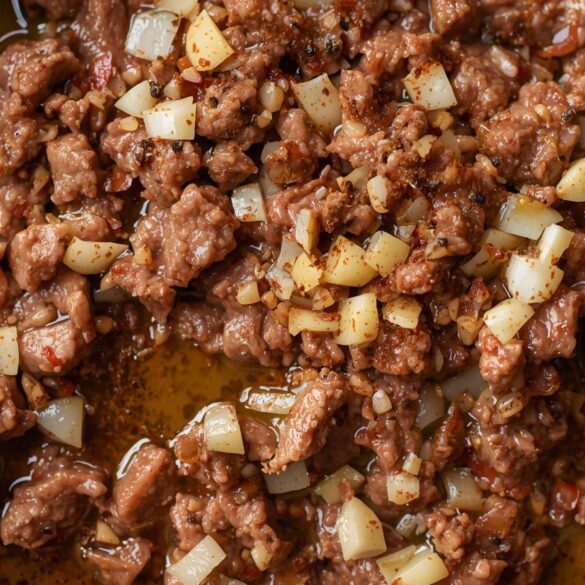
- 1 lb (450 g) ground beef
- 1 small onion, finely chopped
- 2–3 cloves garlic, minced
- 1 teaspoon salt
- ½ teaspoon black pepper
- 1 teaspoon paprika (optional)
- 1 tablespoon olive oil or cooking oil
Optional additions depending on the recipe:
- Tomato sauce or paste
- Bell peppers, carrots, or other vegetables
- Worcestershire sauce
- Herbs like oregano, thyme, or parsley
Instructions
- Heat the Pan: Preheat a large skillet over medium heat and add the olive oil.
- Sauté Aromatics: Add onions and garlic to the pan, cooking until soft and fragrant, about 2–3 minutes.
- Add Ground Beef: Add the ground beef to the skillet. Break it apart with a spatula or wooden spoon.
- Season the Beef: Sprinkle in salt, pepper, and optional spices. Stir to combine evenly.
- Cook Thoroughly: Cook until the beef is browned and no pink remains, about 8–10 minutes.
- Add Optional Ingredients: For sauces or stews, add tomato sauce, vegetables, or herbs and simmer for 5–10 minutes.
- Serve: Use the cooked ground beef in your favorite dishes: tacos, pasta, rice bowls, casseroles, or burgers.
Notes
- Choose the fat ratio depending on your recipe. 80/20 for juicy burgers, 90/10 for healthier dishes.
- Drain excess fat after cooking to reduce calories and fat content.
- Avoid overcrowding the pan to allow proper browning.
- Add seasoning gradually and taste as you go.
- For added flavor, try adding a splash of Worcestershire sauce or soy sauce.
