Table of Contents
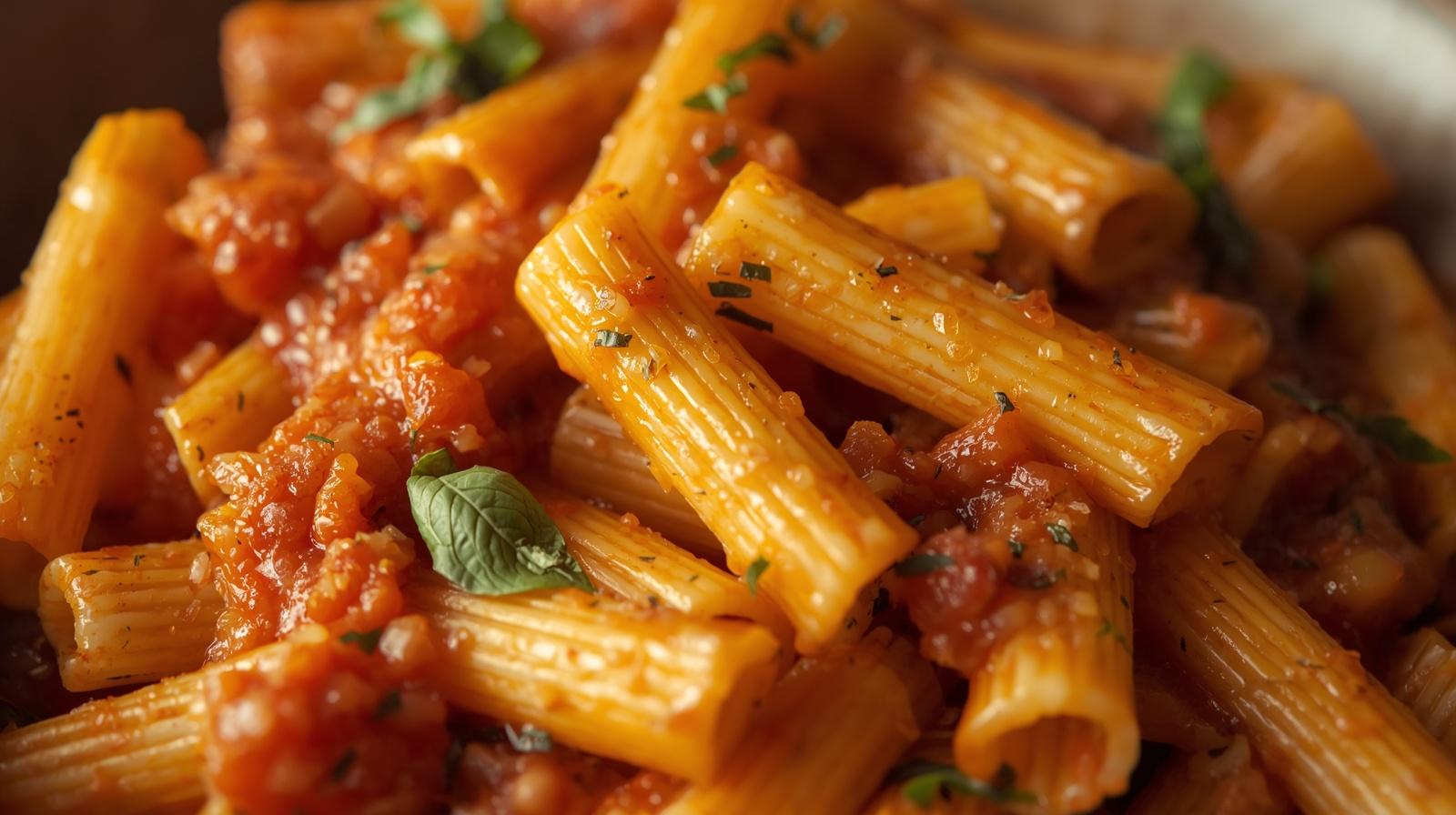
Rigatoni pasta is a classic Italian pasta shape, known for its large, ridged tubes that hold sauce beautifully. Whether baked in a hearty casserole, tossed in a creamy sauce, or paired with chunky vegetables and meats, rigatoni delivers a satisfying bite in every forkful. Its ridges and wide openings make it ideal for holding onto rich sauces, so every mouthful is packed with flavor.
What Is Rigatoni Pasta
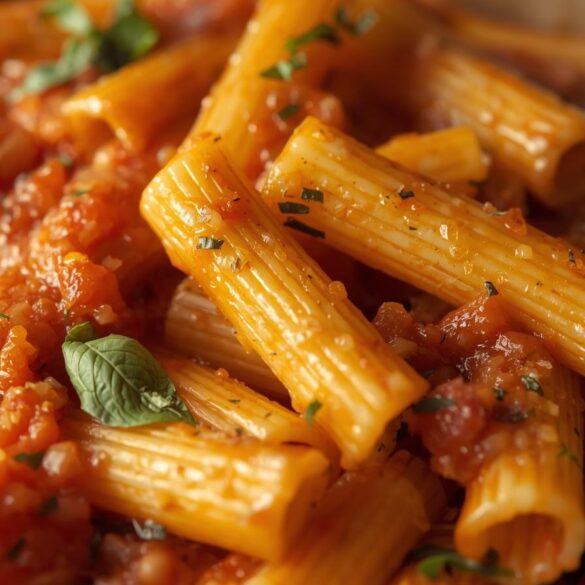
Rigatoni is a tube-shaped pasta, slightly larger than penne and typically ridged along the outside. The ridges help sauces cling to the pasta, making it ideal for hearty tomato sauces, creamy cheese sauces, or baked pasta dishes.
Ingredients
Pasta
- 12 ounces rigatoni pasta
- 4–5 quarts water
- 1–2 tablespoons salt
Sauce Options (choose one or combine)
- 2 cups marinara sauce
- 1 cup Alfredo sauce
- 1–2 cups sautéed vegetables (zucchini, bell peppers, mushrooms)
- 1 cup cooked protein (chicken, sausage, or ground beef)
Optional Toppings
- Freshly grated Parmesan cheese
- Fresh basil or parsley
- Red pepper flakes for heat
Step-By-Step Instructions On How To Make Rigatoni Pasta
- Boil the water
Fill a large pot with water, add salt, and bring it to a rolling boil. - Cook the pasta
Add the rigatoni and cook according to package instructions (usually 10–12 minutes) until al dente. Stir occasionally to prevent sticking. - Prepare the sauce
While the pasta cooks, heat your chosen sauce in a separate pan. For vegetable-based or meat sauces, sauté ingredients until tender and cooked through. - Drain and combine
Drain the pasta, reserving about ½ cup of pasta water. Toss the rigatoni with the sauce, adding reserved pasta water if needed to thin or help the sauce cling. - Serve
Plate the pasta and top with Parmesan cheese, fresh herbs, or red pepper flakes if desired.
Tips For The Perfect Rigatoni Pasta
- Do not overcook — rigatoni should be al dente for the best texture.
- Reserve pasta water — it helps bind sauces to the pasta.
- Pair with hearty sauces — chunky tomato sauces, creamy cheese sauces, or meat-based sauces work best.
- Finish in the pan — toss pasta in sauce for 1–2 minutes off the heat for maximum flavor.
What To Serve With Rigatoni Pasta
- Garlic Bread: Nothing pairs better with rigatoni than crispy, buttery garlic bread. The golden, toasted exterior and soft, buttery interior create a perfect textural contrast to the tender pasta. Garlic bread also soaks up extra sauce from your rigatoni, making each bite richer and more flavorful.
- Salads: Fresh salads provide a crisp, refreshing balance to the richness of pasta dishes. Classic options include Caesar salad, with its crunchy croutons and creamy dressing, arugula salad for a slightly peppery bite, or a simple mixed green salad with tomatoes and cucumbers.
- Roasted or Grilled Vegetables: Roasted or grilled vegetables add color, flavor, and nutrition to your rigatoni meal. Think zucchini, asparagus, bell peppers, or eggplant. Roasting enhances the natural sweetness and brings out a smoky, caramelized flavor that complements the pasta sauce beautifully. Grilled vegetables can add a slightly charred, savory note, making your dish more complex and satisfying.
- Protein Sides: Adding a protein side rounds out the meal and makes it more filling. Grilled chicken, Italian sausage, or meatballs are classic pairings with rigatoni. The savory, seasoned meats enhance the pasta’s flavor, while also providing protein to keep you satisfied.
Substitute Ingredients
- Gluten-Free Option: Use gluten-free rigatoni pasta.
- Vegan Option: Use plant-based sauces and skip cheese or use vegan Parmesan.
- Vegetable Substitutions: Swap zucchini, mushrooms, or bell peppers with eggplant or spinach.
Health Benefits Of Rigatoni Pasta
- Energy from Carbohydrates: Pasta is a great source of complex carbs, providing sustained energy.
- Protein (if combined with meat, beans, or cheese): Supports muscle repair and keeps you full.
- Vitamins and Minerals: Whole wheat rigatoni offers B vitamins, iron, and fiber.
- Balanced Meals: Pairing pasta with vegetables, lean proteins, and healthy sauces creates a nutrient-rich meal.
Final Thoughts
Rigatoni pasta is versatile, hearty, and perfect for creating comforting, flavorful meals. Its ridged, tube-shaped design makes it ideal for holding rich sauces and toppings, while its chewy texture ensures every bite is satisfying. Whether you enjoy it in a simple tomato sauce, a creamy Alfredo, or a baked pasta dish, rigatoni is a staple that belongs in every kitchen.
More Recipes
Ingredients
Pasta
- 12 ounces rigatoni pasta
- 4–5 quarts water
- 1–2 tablespoons salt
Sauce Options (choose one or combine)
- 2 cups marinara sauce
- 1 cup Alfredo sauce
- 1–2 cups sautéed vegetables (zucchini, bell peppers, mushrooms)
- 1 cup cooked protein (chicken, sausage, or ground beef)
Optional Toppings
- Freshly grated Parmesan cheese
- Fresh basil or parsley
- Red pepper flakes for heat
Instructions
- Boil the water
Fill a large pot with water, add salt, and bring it to a rolling boil. - Cook the pasta
Add the rigatoni and cook according to package instructions (usually 10–12 minutes) until al dente. Stir occasionally to prevent sticking. - Prepare the sauce
While the pasta cooks, heat your chosen sauce in a separate pan. For vegetable-based or meat sauces, sauté ingredients until tender and cooked through. - Drain and combine
Drain the pasta, reserving about ½ cup of pasta water. Toss the rigatoni with the sauce, adding reserved pasta water if needed to thin or help the sauce cling. - Serve
Plate the pasta and top with Parmesan cheese, fresh herbs, or red pepper flakes if desired.
Notes
- Do not overcook — rigatoni should be al dente for the best texture.
- Reserve pasta water — it helps bind sauces to the pasta.
- Pair with hearty sauces — chunky tomato sauces, creamy cheese sauces, or meat-based sauces work best.
- Finish in the pan — toss pasta in sauce for 1–2 minutes off the heat for maximum flavor.
